
The Difference Between Traditional Stucco and Synthetic (EIFS)
People searching for the difference between traditional stucco and synthetic (EIFS) often want to choose the best exterior finish, and local contractors can help by installing and advising on these options.
If you’re exploring options for enhancing the exterior of a property, understanding the difference between traditional stucco and synthetic (EIFS) can be an important step in making an informed decision. Property owners in the area often consider these materials for their durability, appearance, and energy efficiency benefits. Whether planning a new installation or considering updates, it’s helpful to learn how each system functions and what advantages they offer. Local contractors who specialize in stucco and EIFS installation can provide insights tailored to specific property needs, helping owners choose the best solution for their project.
Continuing to explore this topic can reveal practical reasons why one material might be preferred over the other, depending on factors like climate, design preferences, and maintenance expectations. Traditional stucco has a long-standing history of providing a classic, textured look, while synthetic (EIFS) offers a more versatile, seamless finish with potential energy savings. Service providers in the area are equipped to handle both types of installation, ensuring that property owners receive expert guidance and quality craftsmanship suited to their goals. Keep reading to gain a clearer understanding of these options and how local specialists can support the project.
- Traditional stucco installation services are ideal when homeowners seek a durable, textured exterior finish that enhances curb appeal and withstands weather conditions, with local contractors applying proven methods to ensure lasting results. Synthetic (EIFS) stucco installation is often chosen for properties requiring better insulation and a smoother appearance, with service providers customizing application techniques to meet specific building needs. When a property owner notices cracking or deterioration in existing stucco, local pros can assess whether traditional or synthetic options best address the repair and upgrade requirements. For new constructions or renovations aiming for energy efficiency, contractors may recommend synthetic stucco for its insulating properties and modern aesthetic, using specialized application processes suited to each project. In cases where a building’s exterior needs both aesthetic appeal and performance, service providers can help determine the appropriate stucco type and handle the installation accordingly.
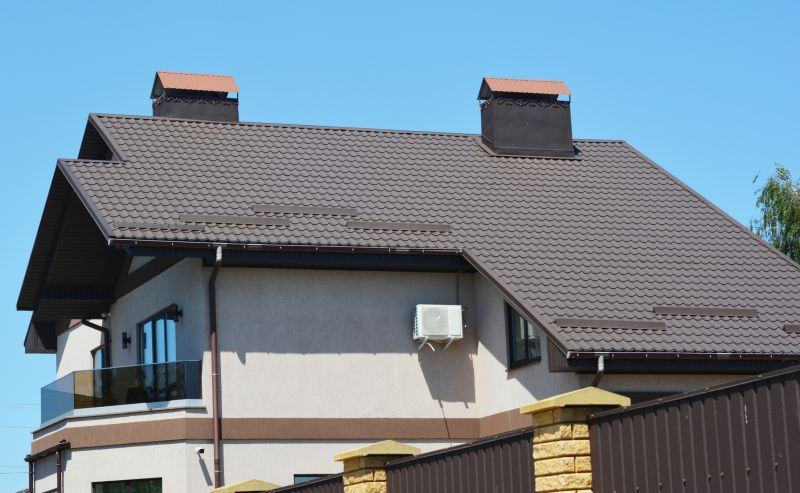

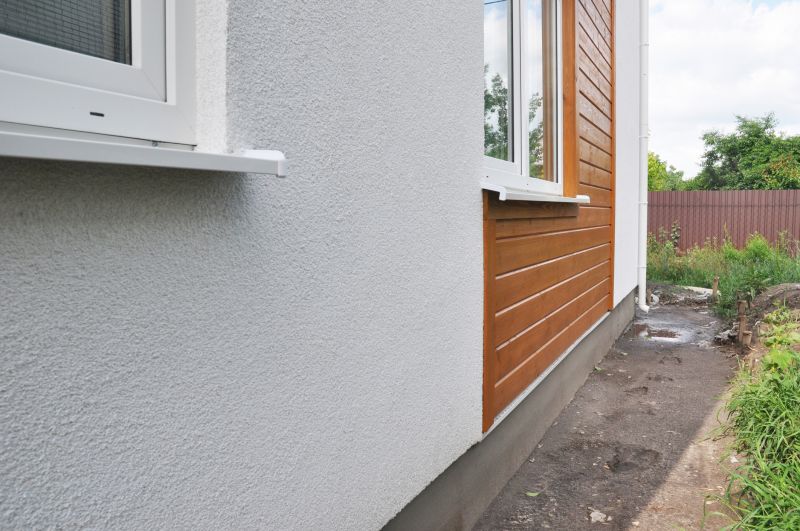
The difference between traditional stucco and synthetic (EIFS) often comes up when homeowners are considering exterior finishing options for their properties. When searching for this topic, many are trying to understand which material best suits their needs based on factors like durability, appearance, and maintenance. Homeowners typically relate this to projects involving exterior wall updates, new construction, or renovations aimed at improving curb appeal and weather resistance. They may also be exploring options to address existing issues such as cracking, moisture intrusion, or inconsistent finishes, making it important to find experienced service providers who specialize in either traditional or synthetic stucco installation.
Traditional stucco is a cement-based material that has been used for centuries, known for its solid, textured appearance and long-lasting qualities. It’s applied in multiple coats over a wire mesh framework, creating a durable exterior that can withstand various weather conditions. Conversely, synthetic (EIFS) is a modern, layered system that incorporates a foam insulation board covered with a polymer-based finish. EIFS is often chosen for its superior insulation properties and ability to mimic different textures and styles. Homeowners often associate these materials with properties like single-family homes, multi-unit buildings, and commercial structures, where exterior aesthetics and energy efficiency are key considerations.
Understanding the practical differences between these two options helps homeowners make informed decisions about their projects. Traditional stucco tends to be more resistant to impact and has a proven track record, but it can be prone to cracking if not properly installed or maintained. Synthetic stucco, on the other hand, offers better insulation and a smoother finish, but it requires careful installation to prevent moisture issues. Local contractors who specialize in either material can evaluate the specific needs of a property, considering factors like climate, existing structure, and desired appearance, to recommend the best approach and ensure proper application.
For property owners planning exterior renovations or new builds, connecting with experienced service providers who understand the nuances of traditional stucco and synthetic (EIFS) is essential. These local pros can assess the property's requirements, address potential problems such as moisture intrusion or cracking, and help select the appropriate system to meet the project’s goals. Whether opting for the classic look and durability of traditional stucco or the insulation benefits and sleek finish of EIFS, working with knowledgeable contractors ensures the installation aligns with the property's needs and provides a lasting, attractive exterior.
Exterior wall cladding projects - contractors skilled in stucco and EIFS can handle a variety of exterior wall applications, ensuring proper installation and durability.
Insulation and weatherproofing services - understanding the differences between traditional stucco and synthetic (EIFS) is essential for effective insulation and moisture management in building exteriors.
Facade renovation and repair - specialists experienced in stucco and EIFS repair can restore and improve the appearance and performance of existing wall systems.
Architectural detailing and decorative finishes - applying textured or decorative finishes requires expertise in both traditional and synthetic stucco techniques to achieve desired aesthetics.
Building envelope sealing projects - ensuring a proper seal around windows, doors, and joints involves knowledge of stucco and EIFS materials for optimal performance.
New construction wall systems - contractors experienced in installing stucco and EIFS can assist in creating energy-efficient, weather-resistant building exteriors from the ground up.
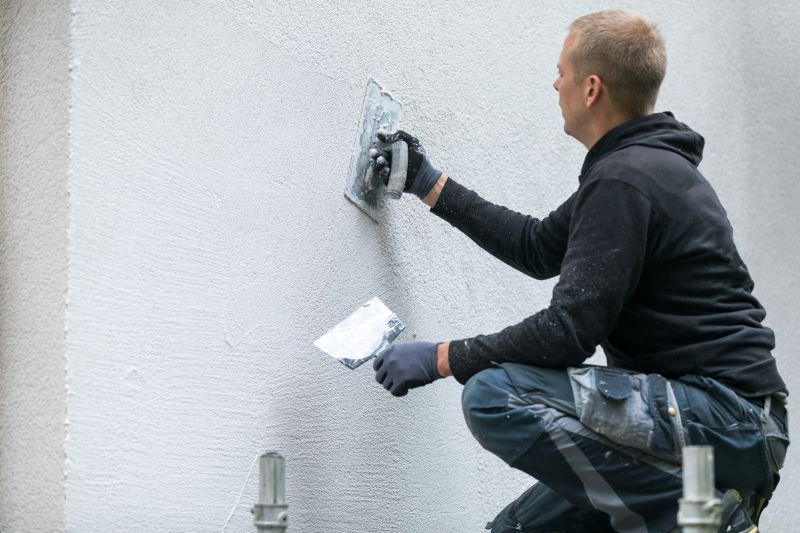
When comparing contractors for stucco installation, experience with similar projects can be a valuable indicator of their capability to handle the specific differences between traditional stucco and synthetic (EIFS). Homeowners should inquire about the types of projects a service provider has completed, especially those involving either material, to ensure familiarity with the unique application techniques and material considerations. An experienced contractor will understand the nuances of each system, such as the proper substrate preparation, layering, and finishing details, which can influence the durability and appearance of the finished work.
Clear, written expectations are essential when evaluating potential service providers for stucco installation. Homeowners should seek detailed proposals that outline the scope of work, materials to be used, and the installation process. This transparency helps prevent misunderstandings and ensures that both parties are aligned on the project requirements. Understanding what is included in the service-such as surface preparation, insulation considerations, and finish coats-can make a significant difference in selecting a contractor capable of delivering results that meet expectations for either traditional or synthetic stucco.
Reputable references and effective communication are key factors in choosing a reliable contractor. Homeowners are encouraged to ask for references from previous clients who had similar work performed, especially those involving the specific type of stucco system in question. Good communication throughout the process-prompt responses to questions, clear explanations of options, and updates on progress-can help ensure a smooth project. When service providers demonstrate professionalism and a willingness to address concerns, it indicates a level of trustworthiness and dedication to quality work, which is especially important when working with materials that have different installation requirements and performance characteristics.
Get a Quote for Traditional Or Synthetic Stucco Installation
Property owners often search for the difference between traditional stucco and synthetic (EIFS) when they are planning practical projects around their homes and businesses. Local pros provide Traditional or Synthetic Stucco Installation services for everyday jobs and straightforward project options.

Understanding the difference between traditional stucco and synthetic (EIFS) can help property owners make informed decisions when considering exterior wall finishes. Traditional stucco is a cement-based material applied directly to the exterior surface, offering a durable and classic look that many homeowners are familiar with. It’s often chosen for its long-standing reputation and ability to withstand the elements, making it suitable for a variety of climates and architectural styles. On the other hand, synthetic (EIFS) is a more modern option that involves a layered system with insulation and a textured finish. It provides better insulation properties and a wider range of design options, which can be appealing for those looking to improve energy efficiency or achieve a specific aesthetic. Local contractors experienced in both types can help determine which approach aligns best with a property’s needs and style preferences.
For property owners researching exterior finishes, understanding these differences can clarify which type of stucco installation might be the best choice for their project. Traditional stucco tends to be favored for its proven durability and classic appearance, while synthetic (EIFS) is often selected for its insulation benefits and versatility in design. Whether updating a home’s exterior or starting a new construction, local service providers can assist in evaluating the benefits of each option and ensuring proper installation. Connecting with experienced contractors can make the process smoother and help achieve a finished look that balances style, performance, and longevity.
Get a Quote for Traditional Or Synthetic Stucco Installation
What is the main difference between traditional stucco and synthetic (EIFS)? Traditional stucco is a cement-based material applied in multiple layers directly onto the exterior wall, while synthetic (EIFS) is a layered system with a foam insulation board and a synthetic finish coat, offering different aesthetic and insulating properties. Local contractors can help determine which system best suits a building’s needs.
How do traditional stucco and synthetic (EIFS) compare in durability? Traditional stucco is known for its long-lasting durability when properly maintained, whereas synthetic (EIFS) can be more flexible and resistant to cracking but may require different maintenance practices. Local service providers can advise on the best option based on climate and building conditions.
Are there differences in installation processes between traditional stucco and synthetic (EIFS)? Yes, traditional stucco involves applying multiple cement-based layers directly onto the wall surface, while synthetic (EIFS) installation includes attaching foam insulation boards and applying a synthetic finish. Local pros are experienced in both methods and can ensure proper application.
Which type of stucco is better for insulation purposes? Synthetic (EIFS) typically offers superior insulation because of its foam core, helping improve energy efficiency, whereas traditional stucco provides less insulation. Local contractors can help evaluate insulation needs and recommend suitable systems.
Can traditional stucco and synthetic (EIFS) be used together on a building? While they can be used on different sections or as part of a layered approach, it’s important to have a professional evaluate compatibility and proper installation techniques. Local service providers can assess the best approach for combining systems effectively.
Understanding material differences - Property owners can explore the unique properties of traditional stucco and synthetic (EIFS) to determine which suits their home's aesthetic and durability needs, with guidance from local contractors.
Assessing climate and environment - Considering local climate conditions helps decide whether traditional stucco or synthetic (EIFS) offers better moisture resistance and insulation, supported by local pros' expertise.
Evaluating installation techniques - Knowing the installation differences allows property owners to choose experienced local contractors who can properly apply either traditional stucco or synthetic (EIFS) for lasting results.
Matching style and maintenance preferences - Understanding the visual and maintenance characteristics of both options helps property owners select the best stucco type, with local service providers ready to assist with the installation.
If you are thinking about the difference between traditional stucco and synthetic (EIFS) for a property, this guide is meant to help you understand this topic, the typical project types, and how different options might fit your plans.
When you are ready, you can use the quote form on this page to share a few details about your project. From there, local pros can review the basics and follow up with options that match what you have in mind.
Get a Quote for Traditional Or Synthetic Stucco Installation